Virtual Staging Blog
The Future of Virtual Staging in 2025: Trends, Innovations, and Best Practices
In the fast-evolving world of real estate, virtual staging has emerged as an indispensable tool for realtors, home sellers, and property developers. As we step into 2025, advancements in artificial intelligence (AI) and 3D rendering are revolutionizing how properties are marketed. Here’s a look at the latest trends, innovations, and best practices in virtual staging for 2025.

Why Virtual Staging is a Game-Changer
With over 90% of homebuyers starting their search online, listing photos play a crucial role in capturing interest. Virtual staging enhances vacant, outdated, or poorly furnished properties by digitally transforming them into stunning, move-in-ready homes. This process is cost-effective, fast, and highly customizable, allowing realtors to cater to different buyer preferences.
Top Virtual Staging Trends in 2025
Before diving into advanced techniques, take the time to learn the fundamentals. Key concepts include:
- AI-Driven Virtual Staging
AI technology now enables automated furniture placement, design customization, and personalized staging styles based on buyer demographics. This means realtors can tailor home interiors to appeal to specific markets, such as young professionals, families, or luxury buyers.
- 3D Virtual Tours and Augmented Reality (AR)
Buyers can now interact with virtually staged homes using 3D tours and AR apps. This technology allows them to rearrange furniture, swap out designs, and visualize the space according to their personal taste, making online listings more engaging.
- Sustainable and Minimalist Staging
As eco-conscious living becomes mainstream, buyers are drawn to sustainable design elements in virtual staging. Expect more biophilic designs, natural textures, and minimalist aesthetics that emphasize clean, clutter-free spaces.
- Hyper-Realistic Rendering
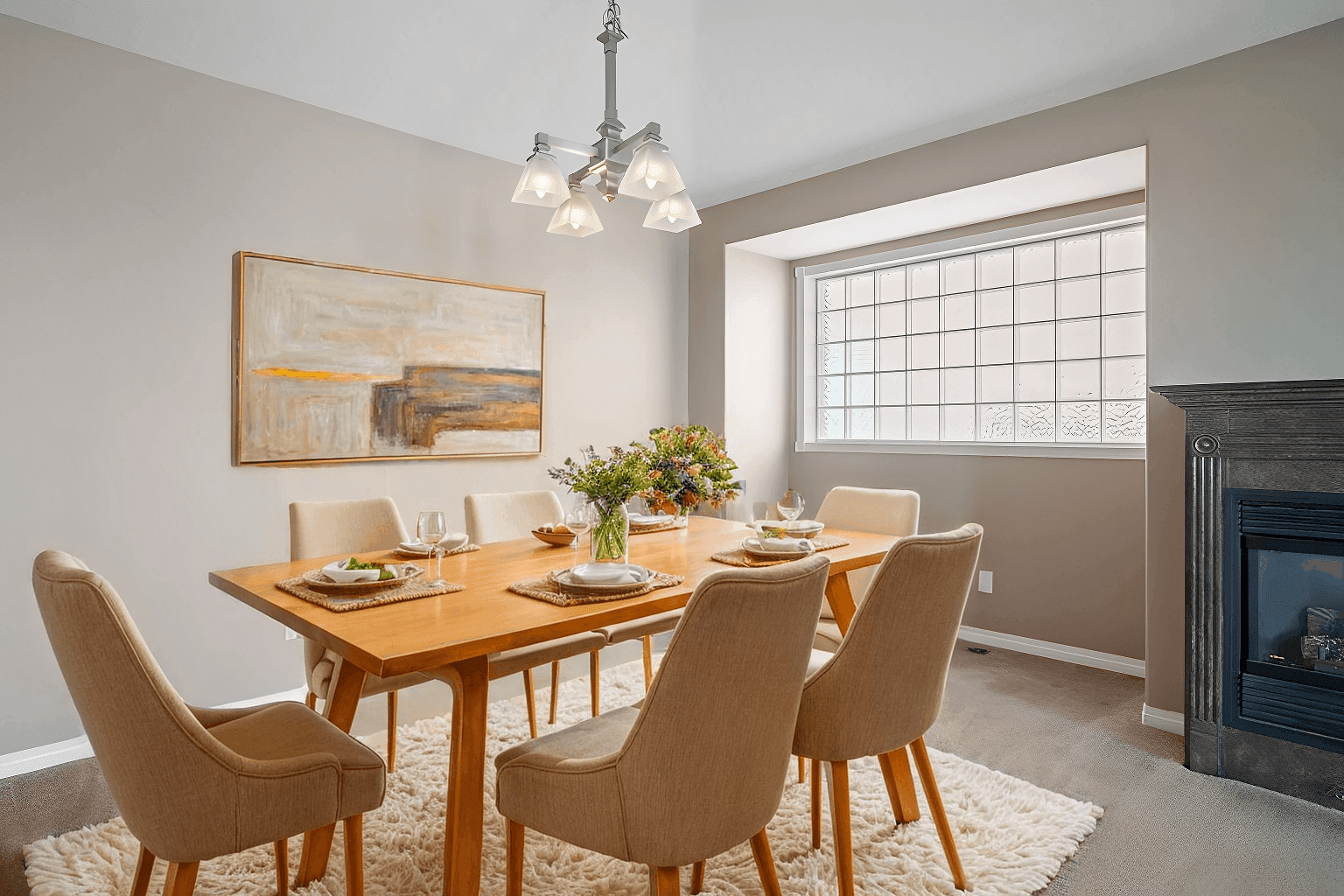
Gone are the days of obvious virtual staging. With advanced rendering software, virtual staging now produces images that are almost indistinguishable from real-life photography. This increases buyer trust and ensures a seamless online-to-in-person experience.
Best Practices for Virtual Staging in 2025
Regularly take your camera out and experiment with different subjects and styles. Share your photos with photography communities to receive constructive feedback. Learning from others and making adjustments will help you grow and refine your skills as a photographer.
- Stay Transparent:
Always disclose when a property has been virtually staged to maintain trust with buyers.
- Highlight Versatile Spaces:
Always disclose when a property has been virtually staged to maintain trust with buyers.
- Use High-Quality Images:
Invest in high-resolution photography before applying virtual staging for the best results.
- Leverage Data-Driven Staging:
Analyze buyer trends and preferences to stage homes in a way that appeals to the current market.
- Integrate Virtual Tours:
Pair virtual staging with interactive 3D tours for a more immersive experience.
Related Blogs