
Discover how virtual staging helps sell vacant homes faster. Learn proven tips for real estate agents and homeowners to attract buyers, boost online listings, and increase property value.
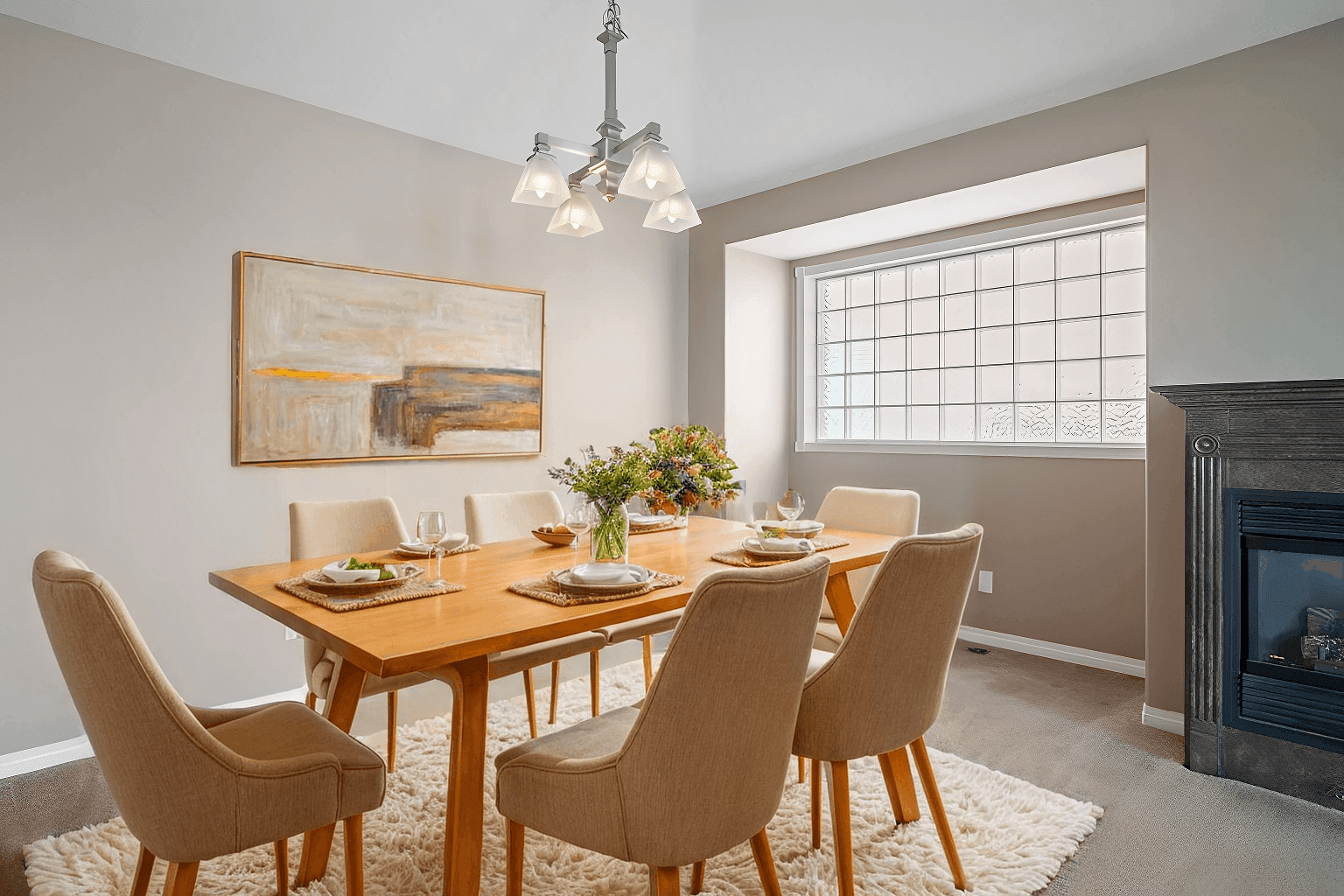
Selling a vacant home can be challenging. Empty rooms often feel smaller, colder, and less inviting in listing photos, making it harder for buyers to emotionally connect with the property. Without furniture or decor, potential buyers may struggle to understand how the space can be used.
Virtual staging is one of the most effective and affordable ways to transform empty properties into visually appealing homes that attract attention online and generate more showings. Whether you’re a real estate agent or a homeowner, the following tips will help you market vacant properties successfully and improve your chances of a faster sale.
When buyers walk into an unfurnished home or view photos online, they often find it difficult to visualize:
Room sizes and layout possibilities
How furniture would fit
The purpose of each space
The warmth and comfort of a lived-in home
This uncertainty can reduce interest and delay decision-making. Adding virtual furniture and decor helps buyers imagine themselves living in the home, which is a key factor in motivating offers.
Most buyers begin their home search online, and listing photos are the first thing they notice. Professionally staged images can make a property stand out instantly.
Virtual staging helps:
Turn empty rooms into warm, inviting spaces
Showcase the full potential of the property
Increase clicks and inquiries on listings
Create a competitive advantage in crowded markets
A visually appealing listing encourages buyers to book showings and explore the home further.
You don’t need to stage every area to make an impact. Concentrate on the rooms that influence buying decisions the most:
Living room
Primary bedroom
Kitchen and dining area
Home office or flex room
These spaces help buyers imagine daily life in the home and create the strongest emotional connection.
Understanding who is most likely to purchase the home can guide the staging style.
For example:
Modern designs work well for condos and urban homes
Family-friendly layouts appeal to suburban buyers
Minimalist styles suit smaller spaces
Elegant, upscale staging enhances luxury properties
When the design aligns with the buyer’s lifestyle, the property becomes more relatable and desirable.
Empty rooms can be confusing. Buyers may not know how to use a spare room or awkward corner. Virtual staging helps define purpose and adds value by showing:
A guest bedroom setup
A home office area
A cozy reading corner
A finished basement entertainment space
Clear functionality helps buyers see the home as practical and move-in ready.
Vacant homes often look cold and echo in photos. The right staging approach can instantly make spaces feel welcoming.
Best practices include:
Neutral color palettes that appeal to a wide audience
Bright, balanced lighting to make rooms feel open
Properly scaled furniture to show true room size
Simple decor elements that add depth without clutter
These details make a big difference in how buyers perceive the property.
Virtual staging can draw attention to the property’s strongest selling points, such as:
Open-concept layouts
Large windows with natural light
Fireplaces
High ceilings
Spacious living areas
Strategic design helps buyers notice these features quickly and remember them.
Search-friendly, high-quality images can improve the performance of your property listing. Homes that look professionally presented tend to:
Get more views online
Generate more inquiries
Stay memorable to buyers
Sell faster than vacant, unstaged homes
Virtual staging plays a key role in creating marketing content that stands out across listing platforms and social media.
The goal of virtual staging is to enhance the home, not overpower it. Keep designs:
Clean and uncluttered
Appropriate for the price range
Consistent with the home’s architecture
Realistic in furniture size and placement
This helps maintain buyer trust and ensures expectations match the actual space.
Vacant homes often struggle to compete with furnished ones because they lack warmth and personality. Virtual staging solves this problem by helping buyers visualize the lifestyle the home offers.
For real estate agents, it’s a powerful marketing tool that increases listing performance. For homeowners, it’s a cost-effective way to present a property at its best without the expense of physical staging.
By showcasing function, comfort, and potential, virtual staging can help transform empty spaces into attractive, memorable homes that sell faster and for better value.